
How to Store Jewelry to Prevent Tarnish and Scratches
Posted by Eddie R on Nov 15th 2025
Proper storage keeps your jewelry looking sharp, from silver chains to iced-out pendants. Knowing how to store it to avoid tarnish and scratches isn’t just about looks; it protects your investment in affordable hip-hop pieces and helps them last.
This guide explains why metals discolor, how to control the environment, and which storage gear works, including anti-tarnish boxes and soft pouches. We’ll cover specific tips for silver, gold vermeil, and plated pieces.
Plus, we’ll show you how Harlem Bling jewelry boxes and anti-tarnish strips help, why wiping pieces with a microfiber cloth matters, and the daily habits that keep your shine on point. By the end, you’ll have a clear plan to keep your collection crisp and scratch-free.
Why Jewelry Tarnishes and Scratches: The Real Deal
Jewelry tarnishes when metal reacts with sulfur, moisture, or polluted air. Scratches occur when softer metals contact harder surfaces or rub together. Knowing these risks is the first step to protecting your pieces.
Jewelry Tarnish: Oxidation, Sulfur, and the Elements
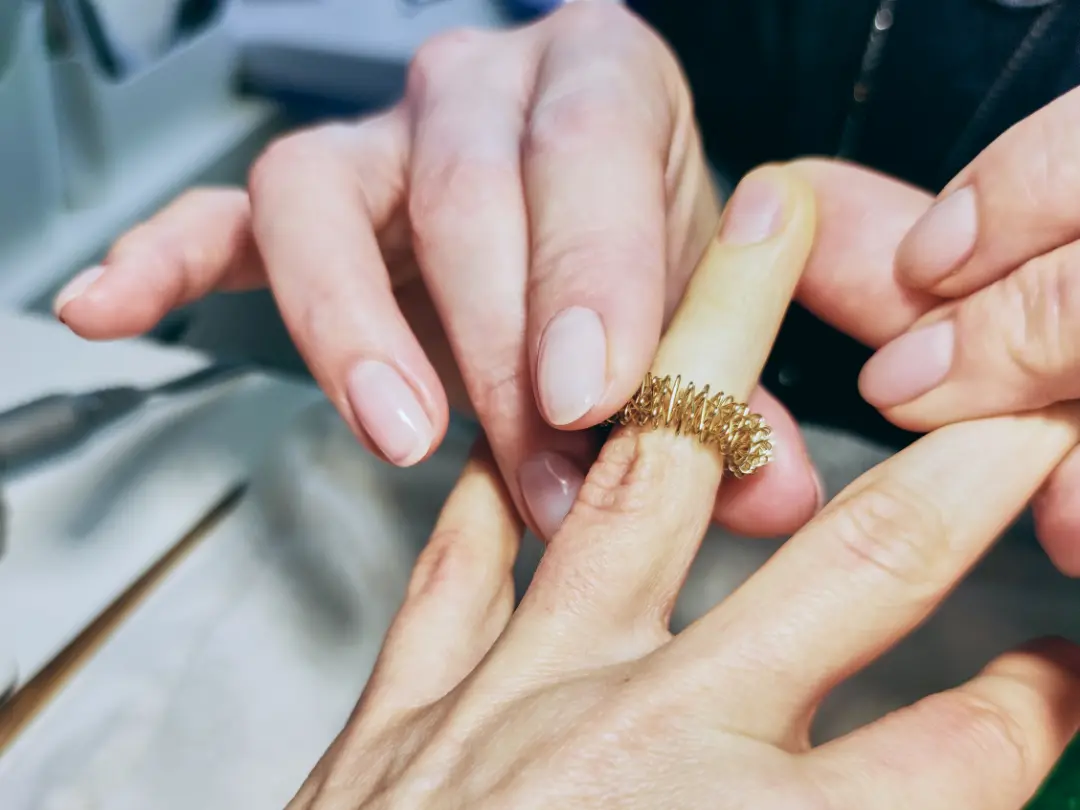
Tarnish is a chemical reaction that forms a corrosion layer on metal. Airborne sulfur reacts with silver and plated alloys, and moisture speeds it up. It’s a chemical change that dulls the finish.
- Metal oxidation accelerates with moisture, causing discoloration.
- Sulfur gases from rubber, paint, and polluted air bond with silver, darkening it.
- Your skin oils, lotions, and household cleaners leave residue that degrades metal finishes.
Controlling these factors helps you choose storage that limits exposure to tarnish-causing agents.
How Jewelry Scratches Happen: Friction and Accidents
Scratches occur from contact with abrasive surfaces or mishandling.
- Surface scratches occur when soft metals rub against rough textures.
- Tangled chains create friction points that wear down plating.
- Dropping jewelry or sliding it across surfaces can leave visible marks.
Understanding scratch causes guides how to separate and pad pieces to prevent damage.
Jewelry Materials Most Prone to Tarnish and Scratches
The metal type dictates how easily it tarnishes or scratches, so storage must match the material. Here’s a quick rundown of common metals:
|
Material |
Tarnish Risk |
Scratch Resistance |
|---|---|---|
|
Sterling Silver |
High (reacts with air and sulfur) |
Medium (it’s a softer metal) |
|
14k Gold Vermeil |
Medium (the base metal can react) |
Lower (the gold layer is thin) |
|
Gold-Plated |
Medium to High (plating can wear off) |
Low (very thin plating) |
|
Stainless Steel |
Low (high corrosion resistance) |
High (it’s a tough alloy) |
Silver’s tendency to react with sulfur calls for airtight protection, while plated pieces need gentle handling to keep the thin gold layer intact. This helps you choose the right storage.
What’s the Best Way to Store Jewelry to Keep Tarnish Away? The Golden Rules
The best way to prevent tarnish is to control air, moisture, and contact between pieces. Keep storage cool, dry, and low-oxygen to slow reactions. Separate items and use protective linings to reduce scratches. Follow these principles for any metal or style.
How Humidity and Air Affect Jewelry Shine
Humidity accelerates oxidation by adding needed moisture. More air exposure brings more sulfur gases, speeding tarnish. Use silica gel to reduce moisture and keep containers sealed to cut these reactions. Less moisture means slower corrosion and a fresher look.
Separating Jewelry to Prevent Damage and Tangles
Keeping items separate prevents direct rubbing that causes scratches and wear. Use compartments or dividers so chains and pendants don’t tangle or scrape. This also makes it easier to grab what you want when you’re getting dressed.
Protecting Jewelry with Airtight Containers and Special Linings
Airtight containers limit oxygen, slowing oxidation and tarnish. Linings treated with anti-tarnish compounds absorb sulfur gases before they react. Combine sealed storage with treated fabrics for double protection and a longer-lasting finish.
Which Anti-Tarnish Jewelry Storage Options Actually Work? Boxes, Pouches, and Organizers
When choosing anti-tarnish storage, consider materials, design, and capacity. Good containers offer seals, compartments, and chemical protection to reduce tarnish and prevent scratches. Below are the top options to help you choose.
Key Features of Anti-Tarnish Jewelry Boxes
The best anti-tarnish boxes are well-built and include treated linings and compartments. Look for:
- Velvet-lined trays that cushion your pieces and prevent scratches.
- Hand-stitched leather exteriors that are tough and help keep moisture out.
- Locking mechanisms that create an airtight seal.
- Built-in anti-tarnish strips or fabric inserts that reduce tarnish.
These features work together to protect both plated and solid pieces, creating a strong defense against corrosion and damage.
Protecting Delicate Jewelry with Soft Pouches and Velvet Bags
Soft pouches made from velvet or microfiber cradle delicate items without scratching. The fibers keep surfaces from touching and provide cushioning to limit movement. For thin gold vermeil or plated pieces, this reduces abrasion and wear.
Using Hanging Organizers and Trays to Prevent Scratches
Hanging organizers and tray systems keep pieces visible without overlap, reducing tangles and friction. Sturdy trays with individual slots separate items, while clear pouches let you see them without contact. Both work well for quick access and safe display.
How to Keep Your Silver Jewelry from Tarnishing: The Specifics
Stopping silver jewelry from tarnishing means keeping the metal away from sulfur and moisture. Combine airtight barriers with tarnish absorbers to maintain silver’s shine. These strategies deliver reliable, long-term protection.
Why Silver Jewelry Tarnishes Easily
Silver readily reacts with oxygen and sulfur compounds, which is why it tarnishes quickly. When silver bonds with sulfur gases, a dark sulfide layer forms, dulling the finish. Humidity accelerates this reaction, so environmental control is essential.
Best Ways to Store Sterling Silver
The best way to store sterling silver use a multi-step defense:
- Airtight bags cut down on air exposure.
- Anti-tarnish strips neutralize sulfur in the air.
- Silica gel packets absorb any leftover moisture.
This combination slows tarnish and preserves the metal’s natural shine.
Using Ziploc Bags for Silver Jewelry: Pros and Cons
Ziploc bags limit air exposure and are inexpensive, but they lack anti-tarnish treatment and can trap moisture. Pair them with anti-tarnish strips or silica gel to keep storage more airtight and reduce issues.
What Are the Best Storage Tips for Gold Jewelry to Prevent Tarnish and Scratches?
Gold jewelry, including gold vermeil, resists corrosion, but plating and underlying alloys can still scratch or discolor. Use material-specific storage habits to extend life and keep shine through everyday wear.
Storage Differences Between Gold Vermeil and Gold-Plated Jewelry
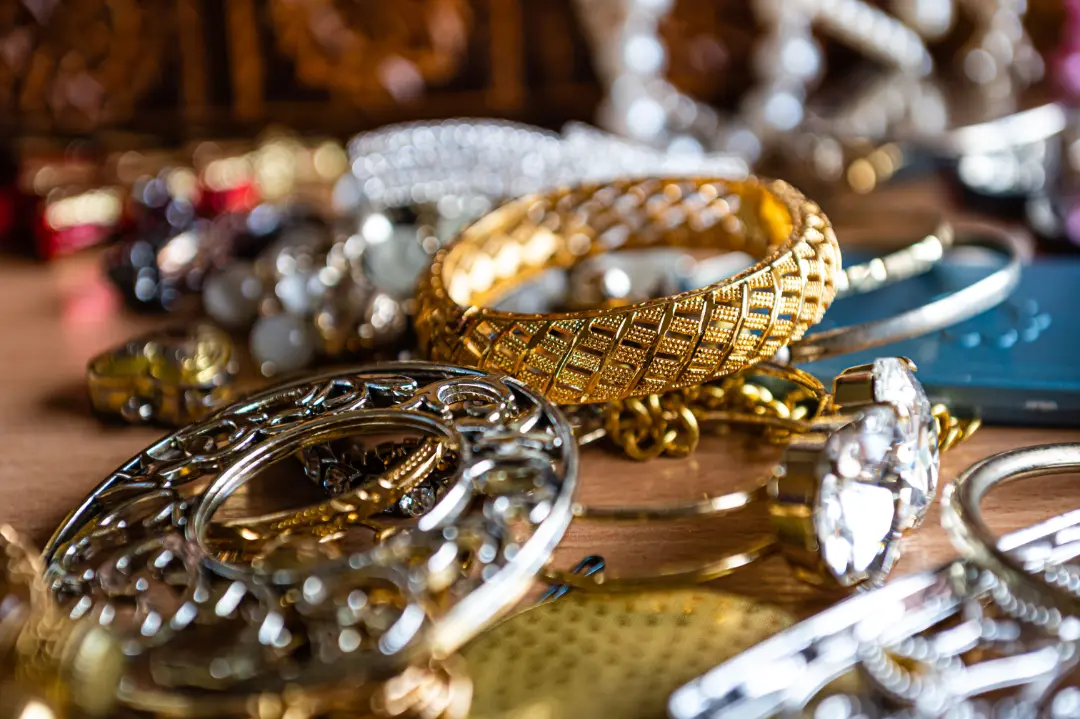
Gold vermeil has a thicker gold layer over sterling silver, making it more durable and scratch-resistant than thinner gold-plated items. Both need soft linings and separation, but vermeil benefits from anti-tarnish fabric to protect the silver underneath. Plated pieces need extra padding to reduce wear on the thin gold layer.
Lower-karat gold alloys may be more vulnerable to stress in chlorine; avoid chemical exposure to reduce risk.
Best Storage Practices for Gold and Gold Vermeil Jewelry
Soft-lined compartments, velvet pouches, and padded trays reduce friction and contact damage. Store plated pieces upright to prevent rubbing, and keep vermeil in anti-tarnish boxes to protect the silver layer. These methods keep the plating fresh and finishes intact.
Making Iced-Out and Plated Hip-Hop Jewelry Last Longer
Iced-out chains and big pendants need dedicated padding and low friction. Storing these pieces in Harlem Bling Jewelry Boxes, hand-stitched leather with velvet lining and locks, keeps them secure and away from chemicals. Regular use of Harlem Bling Cleaning Cloths removes oils and residue that can speed plating wear.
How Do Harlem Bling Jewelry Boxes and Cleaning Cloths Protect Your Bling?
Harlem Bling Jewelry Boxes and Cleaning Cloths are designed to shield your collection from tarnish and scratches. These branded care products integrate with any storage setup and support your affordable, stylish hip-hop jewelry.
Features of Harlem Bling Jewelry Boxes for Tarnish and Scratch Protection
Harlem Bling Jewelry Boxes combine durable construction with smart features:
- Hand-stitched leather exteriors help keep moisture out.
- Soft lining provides cushioning against scratches.
- Built-in anti-tarnish strips absorb sulfur compounds.
- Full-size boxes include a lock; travel cases use zipper closures, add silica gel and anti-tarnish strips for tarnish control.
This combination maintains the finish and protects metal surfaces.
Using Harlem Bling Cleaning Cloths for Daily Jewelry Care
Use a soft microfiber or silver polishing cloth; wipe pieces before storage to remove skin oils and surface dirt without scratching. Wiping them before storing removes tarnish-causing residue and keeps them ready for airtight storage. Regular use after wear prevents buildup that can lead to corrosion.
Benefits of Branded Storage for Affordable Hip-Hop Jewelry
Investing in storage made for your hip-hop collection offers strong protection without breaking the bank. Harlem Bling’s care products are made for the materials in your jewelry, 925 sterling silver, 14K gold vermeil, moissanite, gold-plated, and stainless steel, so they provide tailored preservation.
Quality storage doesn’t just keep your bling safe; it also supports long-term value and keeps it looking its best.
What Daily Habits Keep Your Jewelry Looking Shiny and Scratch-Free?
Daily routines are the last line of defense, combining smart wearing habits with regular maintenance. These practices reduce exposure to damage and catch issues early, helping each piece stay fresh.
Putting Jewelry on Last and Taking it off First
Putting your jewelry on after you’re fully dressed and taking it off before you start doing other things limits its exposure to makeup, perfumes, and accidental bumps. This simple habit prevents chemical buildup and physical damage, keeping both the finish and the structure of your jewelry intact.
Avoiding Chemicals and Water That Cause Tarnish and Damage
Take off your jewelry before you swim, shower, or do any cleaning. This protects your metals from chlorine, soap residue, and harsh detergents. These substances can strip plating, speed up oxidation, and leave mineral deposits. Storing your pieces right after drying them prevents water spots and corrosion.
How Often to Clean and Check Your Jewelry
Check and gently clean jewelry every two weeks to spot early tarnish or loose stones. Using Harlem Bling Cleaning Cloths daily removes surface oils, and a quick check of pouches or boxes ensures seals still work. Proactive care keeps pieces looking good and prevents costly fixes.
Every detail of storage and maintenance helps keep your jewelry shiny and scratch-free, so you can wear your hip-hop pieces with confidence. Invest in smart storage and protective daily habits to keep your collection fresh for years.