

How to Clean Gold-Plated Jewelry When It Tarnishes
Posted by Eddie R on Nov 15th 2025
Even the best-kept gold-plated pieces can lose their gleam over time. That thin gold layer can react with air, moisture, or your skin’s natural oils, leading to a dull finish.
In this guide, we’re breaking down why tarnish happens, the best ways to clean it (from gentle to more advanced), how to keep it from happening in the first place, and when it’s time to get a piece redone or replace it. We’ll also hit common care questions and show you how Harlem Bling’s affordable-luxury collections fit into your maintenance routine.
By knowing the causes, mastering the cleaning steps, and building simple habits, you’ll keep your hip-hop style bling looking sharp for longer.
Why Does Gold-Plated Jewelry Tarnish?
Gold-plated jewelry is a thin layer of real gold bonded onto a base metal, like brass or sterling silver. Tarnish occurs when that base metal oxidizes, creating a dull or dark film that hides the gold shine.
Every day exposure to sweat, lotions, perfumes, household cleaners, and even city air can speed this up. For instance, wearing a gold-plated chain during a workout means sweat salts can trigger discoloration. Understanding how this works is key to removing tarnish and protecting it long-term.
Gold Plating and Tarnish Basics
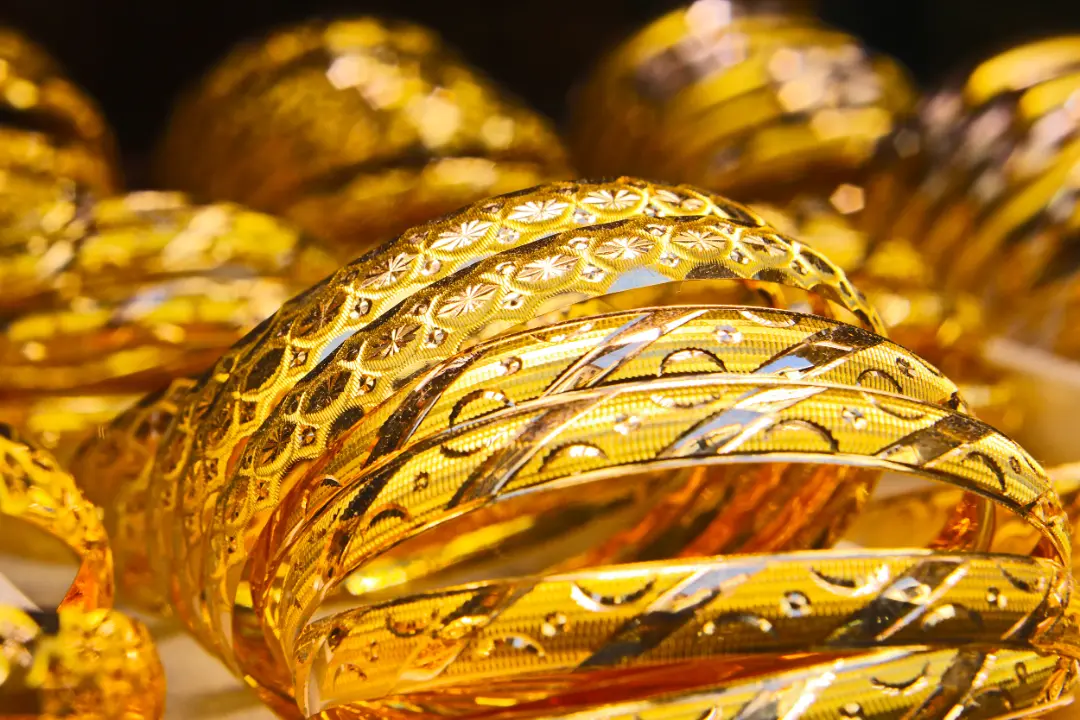
Gold plating means a thin layer of gold, usually 10k or 14k, is applied over a less expensive metal core. This gives you that solid gold look without the full price, but it also means the metal underneath is more prone to oxidation.
When that base metal oxidizes, tarnish shows through the gold layer or creeps in from the edges. Knowing that plating thickness and the type of base metal affect tarnish resistance helps you pick pieces built to last and guides how you clean them.
Factors That Speed Up Tarnish
Several factors accelerate oxidation on your gold-plated pieces:
- Moisture and Sweat: The salt in your sweat can corrode the base metal.
- Chemicals and Beauty Products: Acids in lotions or sprays can break down the plating.
- Air Pollution: Sulfur compounds in the air can darken metal surfaces over time.
Knowing these triggers explains why it’s crucial to take off your jewelry before hitting the gym, showering, or applying products if you want that plating to last.
How Tarnish Affects Appearance and Durability
Tarnish doesn’t just dull the bright gold shine; it can wear through the plating, exposing the base metal and causing discoloration. A lightly tarnished pendant might buff back to life, but heavy oxidation can leave behind pitting or scratches. Removing dullness early keeps your chains, bracelets, and earrings looking sharp and holding their shape through daily wear.
What Are the Best Ways to Clean Tarnished Gold-Plated Jewelry?
Safely removing tarnish means using methods that clean without scratching or stripping away that gold layer. Gentle approaches like soap and water or a polishing cloth can bring back the shine for light tarnish, while a controlled dab of alcohol can cut through oils.
For tougher tarnish, an occasional ultrasonic cleaning can be effective, but only if you do it right. The table below breaks down the main cleaning methods, what you’ll need, and how to stay safe.
|
Cleaning Method |
What You Need |
Safety First |
|---|---|---|
|
Mild Soap & Warm Water |
Gentle dish soap, soft cloth, bowl of warm water |
Soak for several minutes (up to 10–15 minutes), then gently brush and rinse |
|
Jewelry Polishing Cloth |
Lint-free polishing cloth (microfiber recommended) |
Do not rub too hard, or you'll thin the plating over time |
|
Ultrasonic Cleaner (Light Duty) |
Ultrasonic unit, water with a mild cleaning solution |
Only for solid pieces without stones or glued parts |
Cleaning With Mild Soap and Warm Water
Start by filling a small bowl with warm (not hot) water and adding a drop of gentle, phosphate-free dish soap. Soak the tarnished piece for up to two minutes to loosen surface oils and light grime.
Grab a soft cloth or an ultra-soft brush and gently work all surfaces, especially spots around links or settings. Rinse thoroughly under lukewarm water to remove all soap, then pat dry with a clean microfiber cloth. Make sure it’s completely dry to prevent water spots and reduce the chance of new tarnish forming.
Using a Jewelry Polishing Cloth
A treated polishing cloth has mild agents in its fibers to lift light tarnish without harsh chemicals. Gently wrap the cloth around your finger and glide it over the gold-plated surface using smooth, even strokes.
Focus on areas that look dull or slightly darkened, applying only light pressure to keep the plating intact. After polishing, brush off any leftover dust with a soft toothbrush. Use this method for quick touch-ups between deeper cleans to keep your pieces consistently bright.
Cleaning With Rubbing Alcohol
Used sparingly, isopropyl alcohol is effective at dissolving oils and sweat salts that dull your plating. Dampen a cotton swab with 70% or higher rubbing alcohol and gently dab spots with built-up grime.
Do not submerge the piece, as this can weaken the plating over time. Once the oils lift, wipe the piece with a dry, lint-free cloth to avoid streaks. Save this trick for pieces without porous gemstones or glued-in settings, since alcohol can damage those.
Advanced Cleaning Methods
Ultrasonic cleaners use high-frequency sound waves in a mild cleaning solution to remove stubborn buildup from intricate designs. This process reaches tiny nooks and crannies without manual scrubbing.
Only use ultrasonic cleaning on plain gold-plated chains or bracelets that don’t have delicate stones or glued-on parts. Keep sessions under three minutes and follow the manufacturer’s instructions for the solution mix.
Harsh Products to Avoid
Harsh acids, baking soda pastes, vinegar, toothpaste, and silver polishes contain abrasives or corrosives that will damage the thin gold layer and scratch the base metal. These products speed up plating wear and can leave permanent damage. Stick to gentle, purpose-made methods to get the most life out of your pieces and keep them looking their best.
How Can You Stop Tarnish and Make Your Gold-Plated Jewelry Last Longer?
A few preventive habits mean you won’t have to clean as often, and you’ll protect your plating from wearing out too soon. Simple daily routines combined with smart storage create a shield against oxidation and chemical damage. Adding these steps to your routine keeps your pieces shiny and looking great.
Daily Habits to Prevent Tarnish
Adopt a “last on, first off” mindset: put on makeup, perfume, and lotions before your jewelry. Remove pieces before chlorinated pools or workouts to avoid sweat exposure. Give each item a gentle wipe with a soft cloth after wear to clear oils and salt residue. These quick habits reduce chemical contact and help the plating last longer.
Proper Storage for Gold-Plated Jewelry
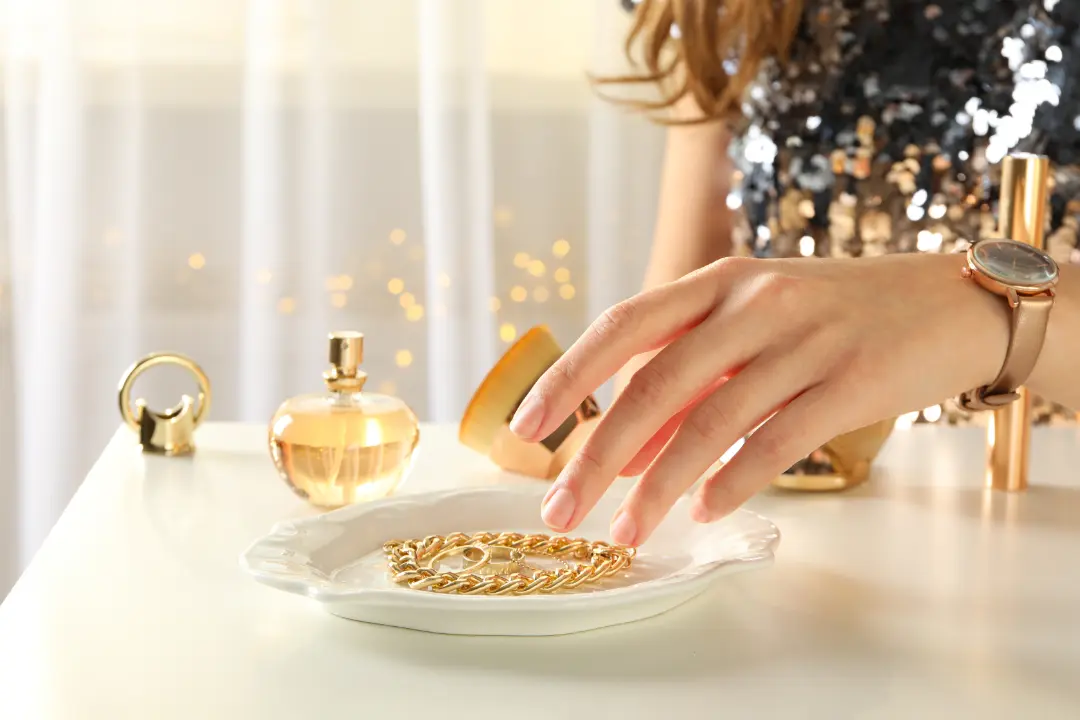
Storing your pieces in a cool, dry spot with minimal air contact protects the plating from oxidation. Use anti-tarnish pouches or small zip-top bags for individual pieces, and add silica gel packets to absorb moisture.
Keep chains from tangling by hanging them or using jewelry trays with lined compartments. Smart storage means longer stretches between cleanings and keeps each item’s finish and shape intact.
Chemicals and Conditions to Avoid
- Chlorine in pools
- Saltwater from the ocean
- Sulfur compounds in household cleaners
- Acidic beauty products
- Cigarette smoke
Don’t wear your gold-plated jewelry when using detergents, doing heavy cleaning, or spending time in places with high humidity or pollution. Avoiding these situations helps keep the plating’s protective barrier strong and its shine intact.
When Should You Think About Replating or Replacing Gold-Plated Jewelry?
Gold plating is a smart way to get a real gold look, but it’s not forever. Over time, repeated cleanings and daily wear thin the layer and expose the base metal. Knowing when cleaning stops working and when the plating is compromised helps you decide whether to replate or invest in a new piece from Harlem Bling’s gold jewelry collections.
Signs Cleaning Isn’t Enough
If you’ve gently cleaned it multiple times and still see dark spots, pits, or base metal showing through, the plating is likely too thin.
Scratches that trap dirt and won’t polish out are signs of serious wear. At this point, cleaning might only give temporary results while risking further damage to the gold layer. Spotting these signs early prevents over-cleaning and helps you decide whether to replate or replace.
Harlem Bling Gold-Plated and Vermeil Overview
Harlem Bling sells gold-plated and 14k gold vermeil pieces made on 925 sterling silver bases, including Italian-made chains, so you get real silver under the gold layer. Gold vermeil generally has a thicker gold layer than standard plating, so it holds color better. They keep inventory in the U.S. and don’t dropship, which helps with quality control and fast shipping.
How Does Care Extend the Life of Harlem Bling Jewelry?
Consistently caring for your Harlem Bling pieces keeps the gold finish and intricate designs looking fresh. Good habits extend lifespan; with proper care, gold-plated pieces can last longer, depending on wear, whether earrings or a Cuban link chain.
By combining our recommended care routines with Harlem Bling’s plating methods, you get more value, replace pieces less often, and keep your jewelry looking bold.
What Are the Most Common Questions About Cleaning and Caring for Gold-Plated Jewelry?
Jewelry lovers and style fans often have similar questions about keeping gold-plated pieces looking good. Below are clear, straight-to-the-point answers, each one gives you the guidance you need without risking your plating or your style.
How Do You Safely Clean Tarnished Gold-Plated Jewelry at Home?
Use a small bowl, mix warm water with a drop of gentle dish soap, soak for less than two minutes, then gently wipe or brush the surface. Rinse well and pat dry with a microfiber cloth. This simple method removes surface oils and light tarnish without scratching or thinning the gold layer.
Can You Use Baking Soda or Vinegar on Gold-Plated Jewelry?
No. Baking soda’s mild abrasives and vinegar’s acidity can strip away the gold layer and scratch the base metal. Stick to non-abrasive, mild-soap methods and specialized polishing cloths made for plated finishes to avoid damaging the coating.
How Do You Bring Back the Shine to Gold-Plated Earrings and Chains?
After a gentle soap cleaning, use a lint-free polishing cloth. Buff each side evenly with light, steady strokes. For heavy oil buildup, dab a cotton swab with isopropyl alcohol, wipe, and then immediately dry. This two-step process lifts grime and restores the gold’s reflective surface.
How Do You Keep Gold-Plated Jewelry From Tarnishing Over Time?
Make it a habit to take off your pieces before applying products or working out, wipe them down after wearing, and store them in anti-tarnish pouches away from humidity. These steps create a protective routine that limits oxidation and keeps your plating bright.
How Does Harlem Bling’s Gold-Plated Jewelry Care Guide Help You Maintain Hip-Hop Style Shine?
Harlem Bling’s care guide combines expert-approved methods with easy-to-follow steps that match our “affordable luxury” vibe. By aligning tailored cleaning, prevention, and replacement advice with our product design and material standards, customers can feel confident keeping statement pieces bold and bright.
Easy-to-Maintain Harlem Bling Pieces
Gold vermeil pendants and bracelets with sterling silver cores offer the thickest plating for maximum durability. Simple link chains, like curb and Figaro styles, have fewer nooks and crannies, making them easier to clean with basic soap and a cloth. These minimalist designs clean easily and deliver shine with every wear.
Where to Find Harlem Bling Care Instructions
Head to the “Jewelry Care” section in the main menu. There you’ll find step-by-step cleaning tutorials, prevention tips, and advice on plating replacement. Our dedicated care hub is packed with articles, visuals, and recommended accessories to help with all your maintenance needs.
Recommended Cleaning Accessories
A soft microfiber polishing cloth is ideal for wiping away light tarnish without chemicals, while anti-tarnish storage pouches with moisture-absorbing inserts keep pieces protected between wears. For deeper cleaning, use an ultrasonic unit designed for plated jewelry and fill it with a mild surfactant solution, following the manufacturer’s directions.
Keeping your gold-plated jewelry looking fresh is both an art and a routine. By understanding why tarnish happens, picking the right cleaning methods, adopting preventive habits, and knowing when it’s time to refresh or replace, you’ll make your pieces last longer and wear Harlem Bling’s affordable hip-hop luxury with confidence.